
The Science Behind Body‑Positive Biometric Tracking
A patient I will call Marina came to me after a decade of what she described as being at war with her own body.
She had tracked everything. Steps, calories, sleep scores, heart rate variability, body fat percentage. She wore two different wearables simultaneously. She woke up every morning and consulted her metrics before she had even poured her coffee. And yet, despite all of that data, she felt worse than ever — more anxious, more obsessive, and no closer to the vibrant health she was searching for.
Marina was not the problem. The framework was.
She had been using sophisticated tools to ask a very unsophisticated question: am I good enough today? The numbers had become a verdict rather than a compass. And somewhere in the accumulation of data points, the actual purpose of tracking — understanding her biology so she could support it — had been completely lost.
This is one of the most important conversations I have in my practice. Because biometric tracking, done well, is genuinely transformative. But done without intention and clinical context, it can quietly erode the very wellbeing it is meant to protect.
What Biometric Tracking Actually Is
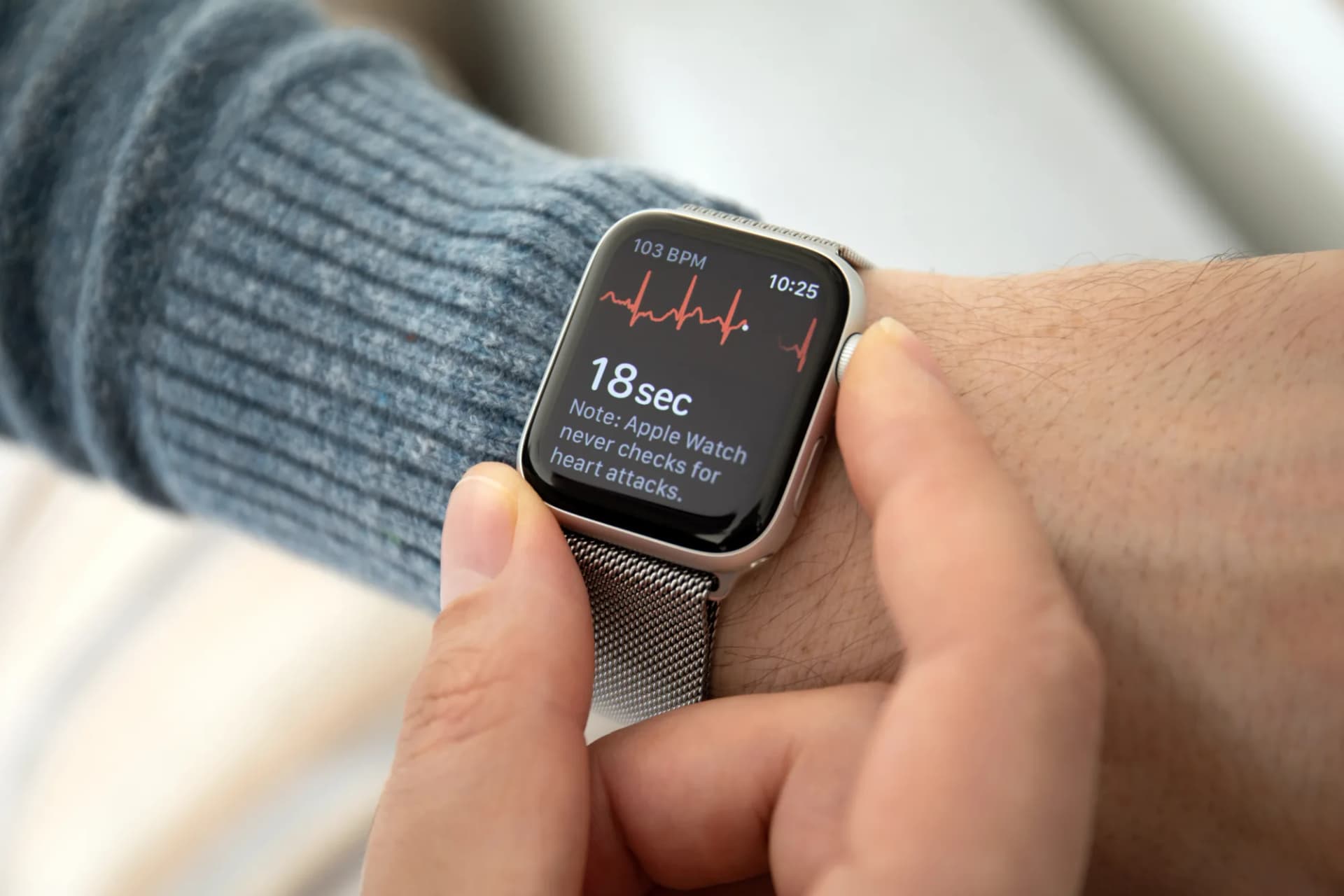
At its core, biometric tracking is the practice of gathering measurable data about the body's physiological processes over time. This includes metrics most people are familiar with — resting heart rate, sleep stages, activity levels — as well as more nuanced markers like heart rate variability, respiratory rate, blood oxygen saturation, skin temperature trends, and continuous glucose patterns.
In a clinical precision medicine context, we also incorporate lab-based biometrics: hormonal panels, inflammatory markers, metabolic indicators, micronutrient levels, and cardiovascular risk data. Wearable technology and laboratory medicine together paint a far more complete picture than either can offer alone.
The goal of gathering all of this information is not to produce a score. It is to understand the dynamic, ever-changing biology of a specific human being — and to use that understanding to make genuinely personalized decisions about nutrition, movement, recovery, stress management, and medical care.
That distinction matters enormously.
Where the Science Becomes Complicated
The research on biometric tracking and health outcomes is nuanced, and I think it is worth being honest about what the data actually shows.
Studies consistently demonstrate that self-monitoring can support positive health behaviors — particularly around physical activity, sleep hygiene, and glycemic awareness. Continuous glucose monitoring, for example, has revealed patterns in metabolic response that fundamentally change how patients understand their relationship with food. Heart rate variability tracking has helped patients and physicians alike identify early signs of physiological stress, overtraining, or autonomic dysregulation before symptoms become entrenched.
At the same time, research also shows that for a meaningful subset of people — particularly those with histories of disordered eating, body image challenges, or anxiety — intensive self-monitoring can amplify psychological distress rather than reduce it. The numbers become another arena for self-criticism. The body becomes a machine to be optimized rather than a self to be understood.
Neither of these realities cancels the other out. What they tell us is that the tool is not inherently helpful or harmful. The context in which it is used, and the intention behind it, determine everything.
What Body‑Positive Tracking Looks Like in Practice
When I work with patients on biometric tracking, I begin by reorienting the entire framework around a single question: what is your body trying to tell you?
Not: did you hit your goal? Not: is this number acceptable? But genuinely — what patterns are emerging, and what do they reveal about how your biology is functioning right now?
This shift is subtle but profound. It moves tracking from a performance evaluation to an act of listening.
Trends matter more than daily numbers. A single night of disrupted sleep, one elevated glucose reading after a stressful meal, a lower HRV score on a travel day — these are not failures. They are data points. What matters clinically is the pattern over time. I encourage patients to look at their data weekly or biweekly rather than scrutinizing it every morning. The signal lives in the trend, not the single measurement.
Context is everything. Raw numbers without context are almost meaningless. A heart rate variability score that looks low in isolation may make complete sense when we know a patient traveled across time zones, started a new medication, or is in the luteal phase of her menstrual cycle. Part of my role as a physician is helping patients interpret their data within the full context of their lives — because that is where the real insight lives.
The body is not a machine to be optimized. It is a system to be supported. This may sound philosophical, but it has practical implications. When we approach biometrics with curiosity rather than judgment, we become more responsive to what the data is actually telling us. A patient whose sleep scores decline during a high-stress work period does not need to optimize her sleep harder. She may need permission to rest, to reduce demands, to address the cortisol burden that is disrupting her recovery.
The Hormonal Dimension
One area where biometric tracking offers particularly meaningful clinical value — and where body-positive framing is especially important — is hormonal health.
Hormonal fluctuations throughout the menstrual cycle, perimenopause, and menopause influence nearly every biometric we track. Core body temperature shifts measurably across cycle phases. Heart rate variability tends to vary with estrogen and progesterone rhythms. Sleep architecture is profoundly affected by hormonal transitions. Even glucose metabolism responds to the hormonal milieu.
For many of my patients, seeing these patterns reflected in their wearable data for the first time is genuinely revelatory. The fatigue that felt like a personal failing turns out to have a clear physiological explanation. The sleep disruption that seemed random reveals itself as a predictable hormonal pattern. The data does not pathologize the experience — it contextualizes it. And that contextualization is deeply empowering.
Marina, whom I introduced at the beginning of this piece, ultimately found her turning point here. When we overlapped her wearable data with her hormonal lab panels and began tracking her metrics across her cycle, she stopped seeing her numbers as a report card. She started seeing them as a language her body was speaking — one she was finally beginning to understand.
Choosing Metrics That Actually Matter for You
One of the most common mistakes I see is patients tracking everything a device is capable of measuring, regardless of whether those metrics are clinically relevant to their specific health goals.
More data is not always more useful. In fact, an excess of metrics can create noise that obscures the signal — and contribute to the kind of data anxiety that undermines the entire purpose of tracking.
In my practice, we start by identifying what questions we are actually trying to answer. Is a patient managing a metabolic health concern? Then continuous glucose monitoring and fasting insulin trends are highly relevant. Is she navigating perimenopause and struggling with sleep and energy? Then sleep architecture, HRV, and temperature trends become our primary focus. Is she working to build cardiovascular resilience? Then resting heart rate trends and VO2 max estimates earn a place in the conversation.
The metrics that matter are the ones that speak directly to a patient's biology, goals, and clinical picture. Everything else is optional — and sometimes better left untracked.
The Role of the Physician in Biometric Medicine
I want to be clear about something that I believe is genuinely important: biometric data, on its own, does not constitute medical care.
Wearable devices and health apps are remarkable tools. But they are tools designed for general populations, not for your specific biology. An algorithm cannot distinguish between clinically significant sleep disruption and normal variation. It cannot tell you whether your HRV trend reflects stress, illness, overtraining, or a medication interaction. It cannot interpret your glucose curve in the context of your hormonal status, your gut microbiome, or your history.
That interpretation requires a physician — ideally one who understands both the technology and the individual. When biometric tracking is integrated into a real clinical relationship, the data becomes genuinely powerful. It stops being noise and starts being information. And information, in the right hands, becomes a strategy.
Reclaiming Tracking as an Act of Self-Knowledge
The patients I have seen transform their health through biometric tracking share something in common. They stopped using the data to judge themselves and started using it to understand themselves.
That is a quiet but radical shift. It means approaching a low sleep score with compassion and curiosity rather than frustration. It means seeing an elevated resting heart rate as an invitation to investigate rather than a reason to panic. It means recognizing that the body's fluctuations are not failures — they are information.
Body-positive biometric tracking is not about ignoring the data or pretending that all metrics are equally good. It is about holding the data lightly enough to hear what it is actually saying, rather than projecting fear and self-criticism onto it.
Your biology is not your enemy. It is not a machine that is failing to perform. It is a living system with its own intelligence, doing its best to maintain equilibrium in the face of everything life demands of it. The data is simply a window into that process — and what we do with that window determines everything.
Understanding What Your Body Is Already Telling You
If you have been tracking your health metrics and feeling more confused or more anxious than before, I want to offer this gently: the problem is almost certainly not you, and it is not the technology. It is the missing layer of clinical interpretation and intentional framing that transforms raw data into genuine insight.
At Modern Human MD, biometric tracking is always integrated into a broader precision medicine strategy — one that honors your individual biology, your hormonal landscape, your history, and your goals. Because when tracking is done this way, it stops feeling like surveillance and starts feeling like understanding. And understanding, in my experience, is where real healing begins.
Disclaimer: The information provided on this website, including blog posts, is for general educational and informational purposes only and is not intended as medical advice. As a board-certified physician, I aim to share insights based on clinical experience and current medical knowledge. However, this content should not be used as a substitute for individualized medical care, diagnosis, or treatment. Always consult your own healthcare provider before making any changes to your health, medications, or lifestyle. Modern Human MD and its affiliates disclaim any liability for loss, injury, or damage resulting from reliance on the information presented here.