Longevity Secrets: Lifestyle Shifts That Add Years to Your Life
She came to see me a few months after her fifty-second birthday, not because anything was acutely wrong, but because something had quietly shifted.
Her energy was not what it used to be. Her sleep had become fragmented and unreliable. She had gained weight in ways that felt unfamiliar, particularly around her midsection, despite habits that had served her well for decades. She was doing everything she thought she was supposed to do — and yet the version of herself she wanted to inhabit felt increasingly out of reach.
What she said at the end of our first conversation stayed with me. "I don't just want to live longer," she said. "I want to feel like myself for as long as possible."
That is the real question at the heart of longevity medicine. Not simply how do we add years to a life — but how do we add life to those years? How do we preserve energy, sharpness, resilience, and vitality well into the decades that matter most?
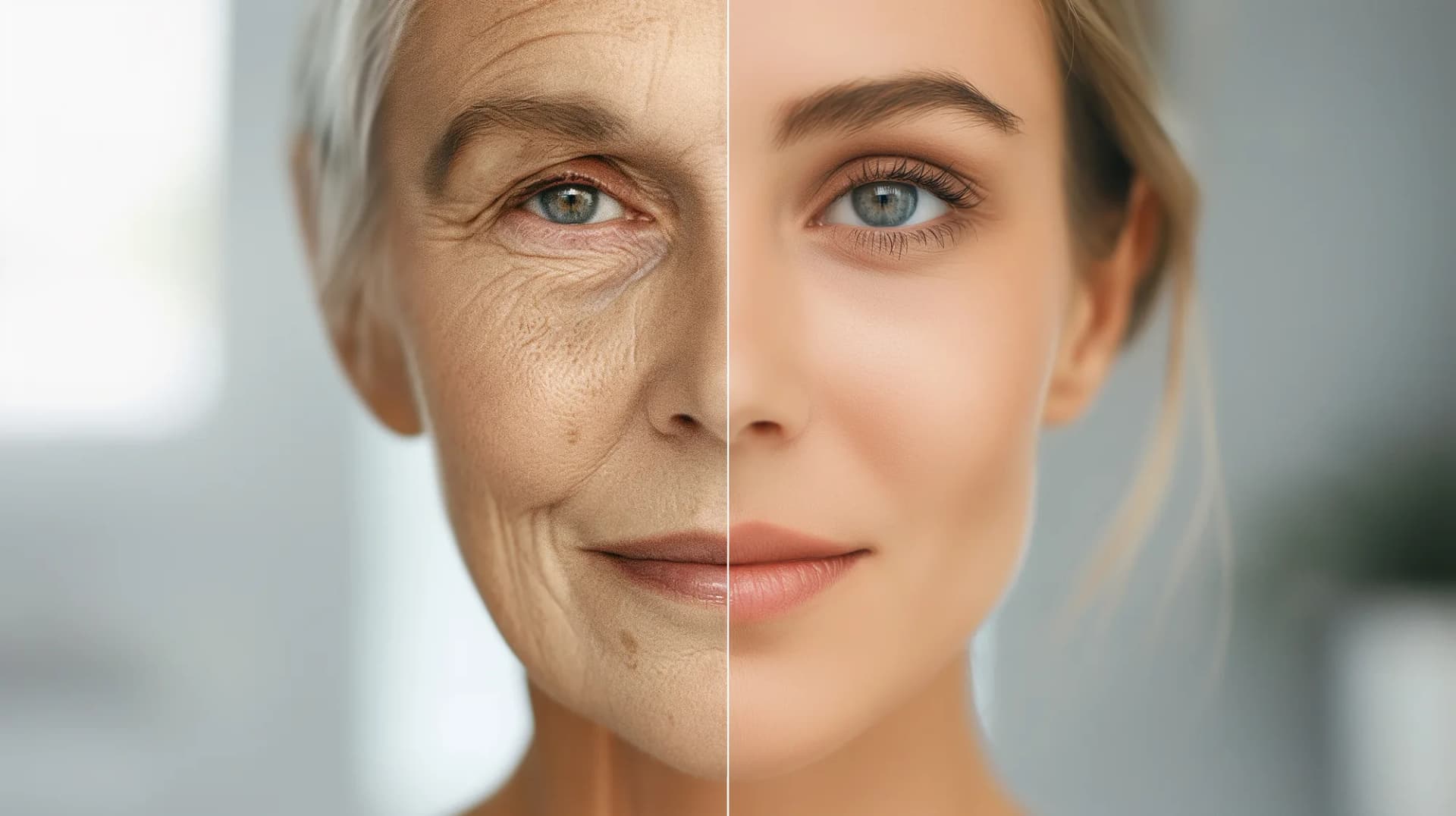
The science of longevity has evolved dramatically in recent years. What was once a fringe conversation has moved firmly into the mainstream of serious clinical medicine. And what the research continues to affirm is both humbling and empowering: the choices we make in our daily lives have a profound and measurable impact on how we age at the cellular level.
Here is what I have learned — both from the science and from years of sitting across from patients who are ready to do the work.
Longevity Begins at the Cellular Level
Before we talk about lifestyle, it helps to understand what aging actually is at its most fundamental level. Aging is not simply the passage of time. It is the gradual accumulation of cellular damage — oxidative stress, mitochondrial dysfunction, chronic low-grade inflammation, and the shortening of telomeres, the protective caps that sit at the ends of our chromosomes.
These processes are influenced by genetics, yes. But they are also exquisitely sensitive to the inputs we provide our bodies every single day. Sleep quality. Nutritional patterns. Movement. Stress physiology. Social connection. Hormonal balance. Each of these variables speaks directly to our cells, either accelerating or slowing the biological clock.
This is the foundation of what I do in precision longevity medicine — identifying where a patient's biology is aging faster than it should, understanding why, and designing targeted interventions that restore balance and resilience from the inside out.
The Metabolic Foundation: How You Eat Shapes How You Age
Nutrition is one of the most powerful levers we have in longevity medicine, and yet it is also one of the most misunderstood. The conversation has moved well beyond macronutrient ratios and calorie counting. The real question is how the food we consume interacts with our cellular machinery — and whether it is driving inflammation or resolving it.
Chronic systemic inflammation is one of the central drivers of accelerated aging. Researchers have coined the term inflammaging to describe this process — the slow, persistent inflammatory state that underlies heart disease, cognitive decline, metabolic dysfunction, and many age-related conditions. What we eat either feeds that fire or extinguishes it.
In my practice, I consistently find that the patients who age most gracefully share certain nutritional patterns. They eat predominantly whole, unprocessed foods. They prioritize protein — not just for muscle preservation, which is critical as we age, but because adequate protein intake supports immune function, hormone production, and the structural integrity of every tissue in the body. They eat in ways that keep blood sugar stable, avoiding the sharp insulin spikes that drive fat storage, inflammation, and metabolic fatigue.
Many of my patients also find meaningful benefit from time-restricted eating — aligning their meals with their natural circadian rhythm and allowing extended overnight fasting periods that support cellular cleanup processes known as autophagy. This is the body's elegant self-renewal system, and we now know that supporting it through dietary timing is one of the most accessible longevity tools we have.
But here is what I always emphasize: there is no single correct longevity diet. Genetics, gut microbiome composition, hormonal status, and metabolic history all shape how an individual responds to nutritional inputs. Personalization is everything.
Movement as Medicine: Why Exercise Is Non-Negotiable
If we could bottle the effects of regular physical activity into a pharmaceutical compound, it would be the most widely prescribed drug in the history of medicine. The evidence is that unambiguous.
Exercise reduces cardiovascular mortality, lowers cancer risk, preserves cognitive function, improves insulin sensitivity, supports bone density, and — perhaps most remarkably — has been shown to lengthen telomeres. In other words, consistent movement actually slows biological aging at the chromosomal level.
But not all movement is equal, and in longevity medicine, the nuance matters.
Strength training is the single most underutilized longevity intervention available. Muscle mass is not simply an aesthetic concern. It is a metabolic organ. It governs glucose disposal, supports hormonal health, protects against injury and falls, and is one of the strongest predictors of longevity in older adults. I encourage every patient, regardless of age or starting point, to make resistance training a non-negotiable part of their week.
Zone 2 cardiovascular training — sustained, moderate-intensity aerobic activity that keeps the heart rate in a conversational zone — builds mitochondrial density, the cellular powerhouses that determine how efficiently our bodies produce energy. Patients who prioritize this kind of training consistently report improved stamina, clearer thinking, and more stable mood.
High-intensity interval training, mobility work, and daily low-level movement all play supporting roles. The goal is not perfection — it is consistency and variety. The body is designed to move, and when we honor that design, the returns are extraordinary.
Sleep: The Longevity Variable We Cannot Afford to Neglect
Sleep is where the body does its most important repair work, and chronic sleep deprivation is one of the most reliable pathways to accelerated aging that I see in clinical practice.
During deep, restorative sleep, the brain activates its glymphatic system — a remarkable waste clearance process that flushes out metabolic debris, including the amyloid proteins associated with Alzheimer's disease. Growth hormone is released, supporting cellular repair and body composition. The immune system recalibrates. Cortisol normalizes. Inflammatory markers reset.
When sleep is insufficient or fragmented, none of this happens efficiently. The downstream consequences — metabolic dysregulation, hormonal imbalance, impaired memory consolidation, elevated cardiovascular risk — accumulate over time in ways that are deeply measurable.
For the patient I described at the beginning of this conversation, optimizing her sleep was one of the first and most impactful interventions we made together. Once we identified the hormonal and cortisol patterns disrupting her sleep architecture and addressed them precisely, the changes in her energy, cognition, and overall sense of wellbeing were striking.
Seven to nine hours of quality sleep is not a luxury. It is a clinical requirement for longevity.
Stress Physiology: The Silent Accelerant
Chronic psychological stress is one of the most underappreciated drivers of biological aging. When the stress response is chronically activated, cortisol levels remain elevated, inflammation increases, telomeres shorten more rapidly, and the body's repair mechanisms are progressively suppressed.
This is not simply about feeling stressed. It is about what happens inside the body when the nervous system never fully returns to a state of safety and restoration.
In longevity medicine, we think carefully about stress physiology — not in an attempt to eliminate life's inevitable pressures, but to build the biological resilience to recover from them more quickly. The capacity to shift from sympathetic activation back into parasympathetic rest is itself a trainable skill, and the tools that support this — breathwork, mindfulness, time in nature, quality social connection, restorative sleep, and in some cases neuromodulation therapies — are powerful and evidence-based.
I have seen the physiological markers of chronic stress normalize in patients who committed to these practices with the same seriousness they gave to their nutrition and exercise. The body responds. It wants to heal. Our role is to create the conditions that allow it to do so.
Hormonal Health: The Master Regulator of How We Age
No conversation about longevity is complete without addressing hormones. Estrogen, testosterone, progesterone, thyroid hormones, insulin, DHEA, cortisol, growth hormone — these are the chemical messengers that govern virtually every system in the body, from metabolism and cognition to cardiovascular health and bone density.
As we move through midlife, hormonal levels shift — often dramatically and in ways that have profound consequences for how we look, feel, and function. In many cases, these shifts are not simply an inevitable feature of aging. They are a variable that can be assessed, understood, and addressed with precision.
Hormonal optimization, when approached thoughtfully and individually, is one of the most transformative longevity interventions available. I have watched patients reclaim energy, clarity, body composition, libido, and emotional equilibrium through carefully managed hormonal support — not because we chased numbers, but because we listened to the whole picture and treated the individual in front of us.
This is precision medicine at its most meaningful. Not a one-size-fits-all protocol, but a deeply personalized conversation between a physician and a patient about what optimal health looks and feels like for them specifically.
Connection, Purpose, and the Biology of Belonging
The longevity research from Blue Zones — the geographic regions where people consistently live into their nineties and beyond — points to something that cannot be captured in a supplement protocol or a laboratory panel.
Social connection. Sense of purpose. Community. The feeling of being known and needed.
These are not soft variables. They are biological ones. Loneliness has been shown to increase inflammatory markers, elevate cortisol, impair immune function, and shorten lifespan to a degree comparable to smoking. Meaningful relationships and a clear sense of purpose, by contrast, are associated with reduced inflammation, better hormonal regulation, improved cognitive resilience, and measurably longer lives.
I think about this often in the context of my practice. The patients who thrive — the ones who add not just years but richness to their lives — are almost invariably the ones who have cultivated deep relationships, meaningful work, and a reason to get up in the morning that extends beyond themselves.
Longevity medicine that ignores this dimension is incomplete. We are biological beings, yes — but we are also social ones, and our health reflects that truth in profound ways.
Longevity Is a Practice, Not a Destination
The patient I met after her fifty-second birthday is doing beautifully now. Her sleep is deep and restorative. Her energy has returned — not just to its previous baseline, but beyond it. She lifts weights three times a week. She has restructured how she eats in ways that feel sustainable and genuinely enjoyable. Her hormones are optimized. She tells me she feels more herself than she has in years.
What changed was not one dramatic intervention. It was the accumulation of precise, personalized, evidence-based shifts — made thoughtfully, consistently, and with a clear understanding of her unique biology.
That is what longevity medicine actually looks like in practice. Not a single secret, but a set of principles applied with intention and intelligence over time.
If you are ready to understand what your body specifically needs — and to build a longevity strategy rooted in your own biology — I would love to begin that conversation. The years ahead can be the most vital of your life. The science supports it. And so do I.
Disclaimer: The information provided on this website, including blog posts, is for general educational and informational purposes only and is not intended as medical advice. As a board-certified physician, I aim to share insights based on clinical experience and current medical knowledge. However, this content should not be used as a substitute for individualized medical care, diagnosis, or treatment. Always consult your own healthcare provider before making any changes to your health, medications, or lifestyle. Modern Human MD and its affiliates disclaim any liability for loss, injury, or damage resulting from reliance on the information presented here.