
Clearing the Fog: Modern Strategies to Sharpen Your Mind
She came in on a Tuesday morning, impeccably dressed, carrying a leather notebook she no longer trusted herself to remember things without.
She was forty-seven years old, a senior executive at a firm she had spent two decades building, and by every external measure, she was thriving. But inside, something had quietly shifted. Words she had always reached for effortlessly now floated just out of grasp. She would walk into a room and forget why she had come. She described reading the same paragraph three times before the meaning finally landed.
She was not depressed. She was not sleep-deprived, at least not dramatically. She was doing most things right. But her mind, she said, felt like it was wrapped in gauze.
Brain fog. It is one of the most common complaints I hear in my practice, and one of the most underestimated. It arrives quietly, often dismissed as stress or aging or simply the cost of a demanding life. But in my experience, brain fog is never without a cause. And when we take the time to look carefully, we almost always find one.
What Brain Fog Actually Is
Brain fog is not a diagnosis in the traditional sense. It is a constellation of symptoms — cognitive sluggishness, poor concentration, word retrieval difficulty, mental fatigue, a pervasive sense that your thinking has lost its former sharpness. Patients describe it in different ways, but the underlying feeling is remarkably consistent: the mind is present, but not fully accessible.
What makes brain fog so frustrating is that it rarely shows up on standard lab work. A basic metabolic panel and a CBC may return completely unremarkable. A conventional physician might reassure the patient that everything looks normal. And yet the patient knows, with quiet certainty, that something is not right.
They are correct. The issue is that we have been asking the wrong questions and looking in too few places.
The Root Causes Worth Investigating
In precision medicine, the brain is never evaluated in isolation. Cognitive function is downstream of almost every major system in the body — hormonal, inflammatory, metabolic, neurological, and even gastrointestinal. When the mind is not operating at its best, we look broadly.
Hormonal Disruption. This is among the most common and most overlooked contributors to cognitive decline, particularly in women approaching perimenopause. Estrogen is profoundly neuroprotective. It supports cerebral blood flow, mitochondrial function in brain cells, and the production of acetylcholine — a neurotransmitter critical for memory and learning. As estrogen fluctuates and declines, many women notice that their thinking changes in ways that feel alarming. Testosterone, progesterone, and thyroid hormones play equally significant roles. A sophisticated hormonal assessment — not just a TSH and a standard panel, but a nuanced evaluation of free hormones, ratios, and metabolites — often reveals the source of the fog with remarkable clarity.
Chronic Inflammation. Neuroinflammation is one of the most active areas of brain research today, and for good reason. When inflammatory signaling penetrates the blood-brain barrier, it disrupts neurotransmitter balance, impairs synaptic function, and accelerates cognitive aging. The sources of that inflammation can be surprisingly varied — gut dysbiosis, food sensitivities, subclinical infections, environmental toxins, metabolic dysfunction, or unresolved psychological stress. Identifying and reducing inflammatory burden is often one of the most transformative steps we take in restoring cognitive clarity.
Metabolic and Mitochondrial Dysfunction. The brain consumes a disproportionate share of the body's energy. It depends on efficient glucose metabolism and robust mitochondrial function to operate at its best. Insulin resistance — even in its earliest subclinical stages, long before a diabetes diagnosis — impairs the brain's ability to use glucose effectively. Some researchers refer to Alzheimer's disease as type 3 diabetes for this reason. Evaluating fasting insulin, hemoglobin A1c, and metabolic markers beyond basic glucose testing gives us a much clearer picture of how well the brain is being fueled.
Nutrient Deficiencies. The brain is exquisitely sensitive to nutritional status. B12, folate, vitamin D, magnesium, omega-3 fatty acids, and zinc all play critical roles in neurotransmitter synthesis, myelin integrity, and neuroprotection. What is particularly important to understand is that genetic variants — particularly in methylation pathways — can impair the body's ability to activate and utilize certain nutrients even when dietary intake appears adequate. Standard serum levels do not always tell the full story. This is where genomic testing becomes a genuinely powerful adjunct to conventional lab evaluation.
Sleep Architecture. Not simply sleep duration, but sleep quality and structure. Deep slow-wave sleep is when the brain activates its glymphatic system — a remarkable biological mechanism that clears metabolic waste products, including amyloid proteins associated with cognitive decline. A patient sleeping seven hours but cycling poorly through sleep stages may be experiencing the cognitive consequences of insufficient brain detoxification every single night. Evaluating sleep with the precision it deserves, rather than simply asking whether a patient feels rested, often reveals a critical piece of the puzzle.
The Role of TMS in Cognitive Restoration
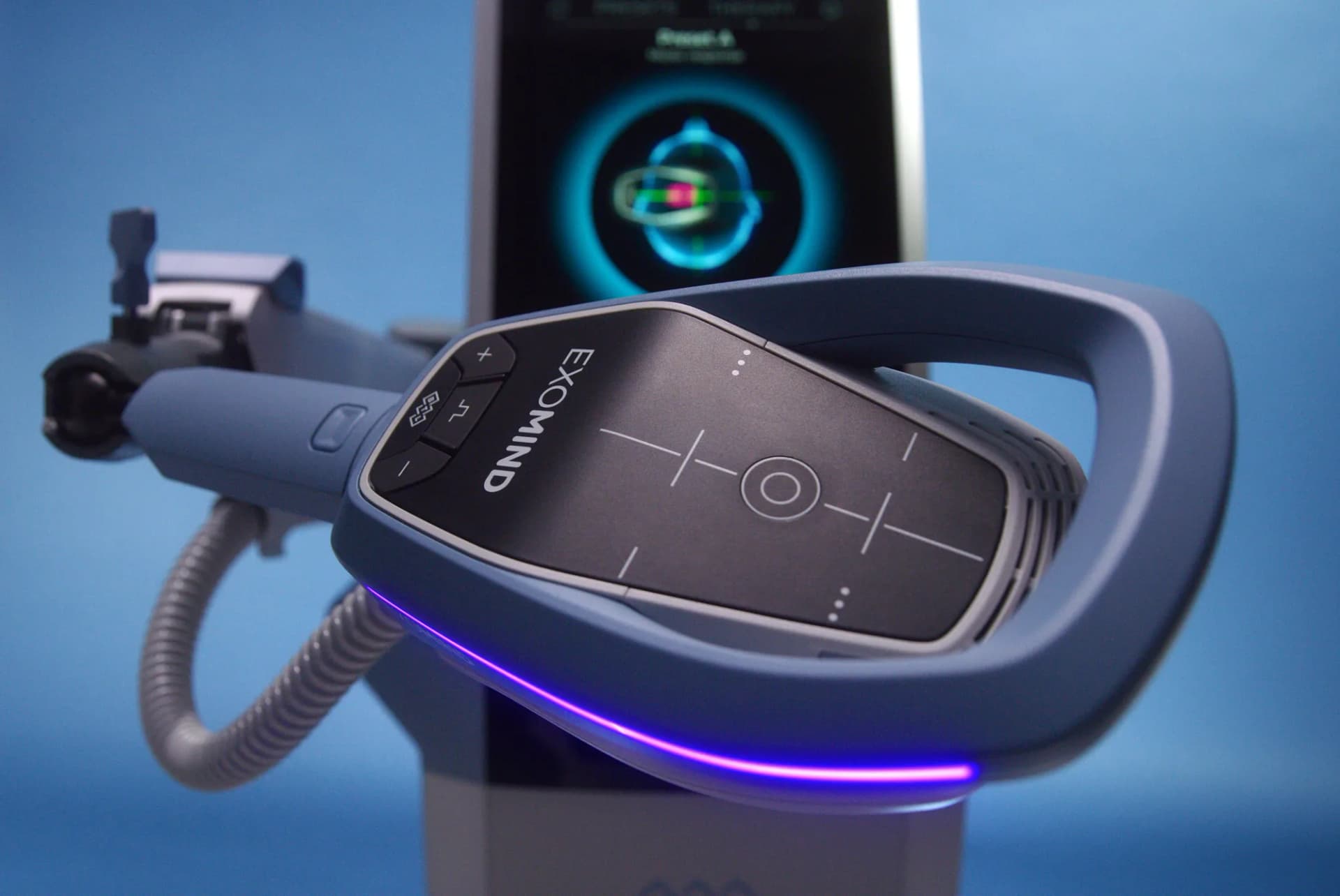
Beyond identifying and addressing root causes, there is another tool I have come to deeply respect for its ability to directly support brain function: Transcranial Magnetic Stimulation, or TMS.
Most people associate TMS with depression treatment, and it is profoundly effective in that context. But TMS does something more fundamental. It uses precisely targeted magnetic pulses to modulate neural circuit activity — stimulating underactive pathways, quieting overactive ones, and promoting neuroplasticity. The brain's capacity to reorganize, strengthen, and build new connections does not disappear with age. It simply needs the right conditions.
For patients experiencing cognitive sluggishness, poor focus, or the residual mental fatigue that can follow depression, chronic stress, or hormonal disruption, TMS offers a non-pharmaceutical pathway to meaningful improvement. In my practice, I have witnessed patients describe a lifting sensation — not dramatic or sudden, but steady and real — as their neural circuitry begins to respond.
What I appreciate most about TMS is that it works with the brain's own biology rather than overriding it. There are no systemic side effects, no medication interactions, no sedation. The brain is simply being invited to function better.
The Conversation I Have with Every Patient
When someone sits across from me and describes their cognitive experience — the fog, the forgetfulness, the frustrating distance between who they are and how they are thinking — I want them to understand one thing clearly.
This is not inevitable. It is not simply aging. It is not something to manage with caffeine and resignation.
The brain is adaptive, responsive, and far more resilient than we were once taught to believe. Given the right information and the right interventions, most patients I work with experience meaningful, sometimes dramatic improvement in cognitive clarity. Not because we performed a miracle, but because we finally asked the right questions.
For the executive I mentioned at the beginning of this post, the answers arrived in layers. Her hormonal profile revealed estrogen and progesterone patterns consistent with early perimenopause. Her inflammatory markers were elevated. Her methylation genetics showed a variant that was limiting her ability to activate B vitamins efficiently. Her sleep, when we looked carefully, was architecturally fragmented.
We addressed each layer with intention. Within four months, she returned her leather notebook to the shelf. She did not need it the way she once had.
Protecting Your Brain Is a Proactive Choice
One of the most important shifts in modern neuroscience is the understanding that cognitive decline is not something that happens to us suddenly. It unfolds over years, even decades, shaped by the accumulating effects of inflammation, hormonal change, metabolic dysfunction, and nutrient depletion long before any symptoms become obvious.
This means that the most powerful moment to intervene is not when the fog has already settled in — though that moment is still absolutely meaningful — but earlier, when the brain is still highly responsive and the trajectory is most easily redirected.
Cognitive longevity is not a passive outcome. It is built through deliberate, informed, individualized care. Through understanding your hormones, your genetics, your inflammation pathways, your sleep architecture, and your metabolic health as an integrated system rather than a collection of isolated variables.
A Mind Worth Protecting
Your brain is the instrument through which you experience everything — your relationships, your creativity, your ambitions, your sense of self. It deserves the same quality of attention and intention we bring to any other aspect of health that matters deeply to us.
If you have been quietly living with cognitive symptoms you cannot fully explain — if you have normalized the fog because no one has taken it seriously enough — I want you to know that a different experience is possible.
Modern medicine has the tools to look deeper, understand more precisely, and intervene more effectively than ever before. The clarity you are looking for is not out of reach. In many cases, it is simply waiting for the right questions to be asked.
Disclaimer: The information provided on this website, including blog posts, is for general educational and informational purposes only and is not intended as medical advice. As a board-certified physician, I aim to share insights based on clinical experience and current medical knowledge. However, this content should not be used as a substitute for individualized medical care, diagnosis, or treatment. Always consult your own healthcare provider before making any changes to your health, medications, or lifestyle. Modern Human MD and its affiliates disclaim any liability for loss, injury, or damage resulting from reliance on the information presented here.